What Makes The Coffee 1kg So Effective? When COVID-19 Is In Session
Why Buy 1kg of Coffee in Bulk? A cup of good coffee can be a wonderful way to begin your day. It's also good for your health. Studies have proven that moderate coffee drinking is associated with reduced risk of Type 2 diabetes, Parkinson's disease, and liver diseases. How many cups can you make from one pound of beans? Price One kilogram of coffee beans can make enough coffee to make several cups. You can purchase it in a variety of varieties, including single-origin or blends. Blends blend different varieties to create a distinct flavor profile. Single-origin coffee beans are sourced in the specific region or country. The cost of a kilogram of coffee may vary significantly depending on the type of bean and the roasting process used. The purchase of a kilogram of coffee beans in bulk could be more economical than buying smaller quantities. It is also environmentally efficient because it minimizes packaging waste. Coffee grounds are a by-product of brewing coffee, can be composted. The bulk coffee market is an excellent method to save money as well as stock up on your favorite beans. It is crucial to remember that the cost of a kilogram of coffee beans doesn't include the cost of shipping and transportation. These additional costs are significant and should be considered when budgeting for wholesale orders. If you're not sure of how the price of your coffee will be You can use an online calculator to estimate the total cost of production. The price of a kilogram of coffee beans is affected by the size and quality of the beans, as well as the shipping and processing costs. In addition, it's important to consider the cost of any unexpected expenses, like unexpected milling defects or the removal of defective beans from the shipment. This could result in an increase in the total weight, which could directly impact the cost per kilo. It's also important to take into consideration the effect of taxes and tariffs on the price of one kilogram of coffee beans. In general the case, higher taxes and tariffs will raise the cost of coffee. There are exceptions to the rule, and it's important to investigate each tariff before deciding a price. It's also a good idea to review your prices every six months and to share these changes with your customers. Taste 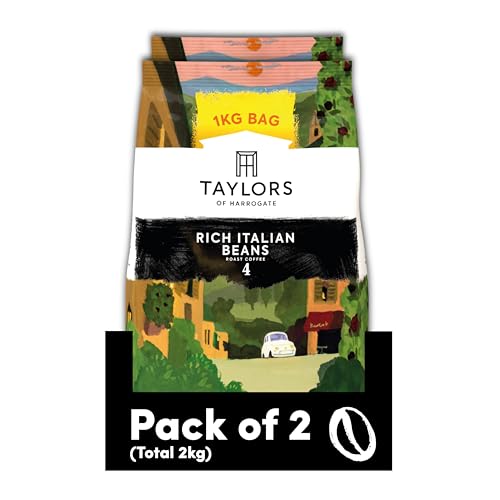 The bulk purchase of coffee reduces packaging waste and keeps your coffee beans fresher for longer. You can also experiment with different grinds and methods of brewing, which will enhance the flavor of your coffee. The freedom to experiment will eventually result in a certain amount of coffee waste. For instance the grounds you spill when using a cafetiere or the waste that results from dialing in a fresh grind. This could affect the number of cups you can make from 1kg of coffee, and is a factor to consider when making calculations for cups. Don't worry, coffee grounds make excellent compost. Environment Coffee is a popular beverage all over the world, however its production has been linked to environmental effects. For instance, the cultivation of coffee is often associated with deforestation. Farmers must clear land to grow coffee trees, which are usually planted in tropical regions with fragile ecosystems. This can result in habitat loss, biodiversity loss and even conflict between humans. Coffee is also an extremely volatile commodity that could result in wild price fluctuations. In fact the top ten global coffee roasters control a third of all the roasted beans in the world, and the farmers struggle to get just a fraction of retail price. The process of processing and cultivating coffee beans themselves has the greatest environmental impact. 1 kg coffee beans of the emissions are created during the process of farming, which requires the use of fertilisers and pesticides. Additionally, coffee trees need to be regularly watered, and this can also result in a significant amount of carbon dioxide. The impact of coffee on the environment is dependent on the source from which it comes. Many companies are working hard to reduce the coffee's carbon footprint. To determine the carbon footprint, it is crucial to identify the functional units. The kilogram of green coffee bean is a common unit. This allows comparisons between various studies. A standardised method is also required to calculate the carbon footprint at each step. There are a number of ways to calculate carbon footprint, but the most effective way to go about it is to incorporate sustainable practices into each stage of the supply-chain. The carbon footprint of coffee drinks can be dramatically reduced by using less-dairy alternatives. A latte made with traditional coffee, a cappuccino or a flat white with sustainably grown beans has a carbon foot print of 0.55, 0,34 and 0.41 kg CO2e respectively. In the past life cycle assessments, it was found that the major part of the emissions are created during the growing stage. This can be decreased through more efficient machinery and by avoiding pesticides. Utilizing cargo ships instead of air transport can also reduce the amount of international transport. Storage The purchase of coffee in larger quantities can save you money over time, and also get high-quality coffee beans . This method lets you keep track of and maintain the amount of coffee you consume in a given month or year. It also means lower prices per unit of coffee beans when you compare smaller bags of 250g. There are a few simple guidelines to follow when it comes time to store your coffee beans. This will ensure that they taste at their best. Keep your beans in an air-conditioned, dark space to ensure they are fresh and reduce the chance of spoilage. You should also avoid keeping your coffee in proximity to sources of heat or in direct sunlight. This will protect your coffee from absorbing moisture which could alter the taste of your coffee. A second important rule to follow when storing coffee is that the lid should always be closed. This will prevent oxygen from entering the container and the coffee beans from becoming oxidized. The best method to prevent this is to use a vacuum-sealed coffee storage container, such as the Planetary Design Airscape or Fellow Atmos. These containers come with a unique valve that lets carbon dioxide escape while pushing oxygen out of the bag. Many people are hesitant to purchase coffee in kilo quantities because they fear the beans will spoil before they are consumed. However, there is no need to be concerned about this when you store your beans correctly. If you store them properly, a kilogram of beautiful coffee will taste delicious until the very last cup. You can usually expect speciality coffee to stay fresh for several months, particularly when it is stored in the right conditions. Filter coffee that is stored correctly will also yield excellent results, especially when it is ground just before making. The coffee will be freshest and the most delicious when brewed. This is contingent on a variety of aspects, including the type of brewer you use and your personal preferences for coffee.